Key highlights at a glance
- Established
- 1936
- Location
- Cherkessk, Russia
- Eligibility for Admission
- 12th Grade with 50% in PCB + NEET
- Medium of Teaching
- English/Russian
- Recognition
- WHO, NMC, Ministry of Health of Russia
WHO-listed universities · Fees, eligibility & visa support
Key highlights at a glance
Universities
Fees, eligibility, and admission details for each university.
Studying MBBS in Russia has become an attractive option for students worldwide due to the country’s high-quality education system, affordable tuition fees, and good cultural experiences. MBBS Fees in Russia for Indian students are quite reasonable. Russian medical universities are recognized by major international organizations like the WHO and UNESCO, and degrees are globally accepted. Medical education in Russia is also recognized by the National Medical Commission (NMC).
Russia is the 8th most popular study-abroad country in the world, Russia attracts 200,000 foreign students annually to study MBBS in Russia. Top Russian medical universities hold about 30 spots in the global rankings of medical universities.
This nation has more than 54+ NMC approved medical universities in Russia. The education system of Russia is ranked in 26th position. For those candidates who wish to study MBBS abroad, Russia is a demanding option for Indian Students.
This detailed and elaborative guide explores why pursuing MBBS in Russia is a prime destination for medical education. It will provide you with the details of the admission process, and also provides you with the insights into the living conditions and opportunities for international students.
Peruse through the given points in order to get some information about the country.
Studying MBBS in Russia has many excellent advantages associated with it for international students, especially for all India students who aspire to have a successful career in medical sciences.
Following are some of the best points that highlights the benefits of studying MBBS in Russia for Indian students.
Read Article : Why Study MBBS in Russia
Large Indian Student Community: There are many Indian students who are studying in Russia. Such a large community with similar identity develops a supportive community that helps newcomers adjust.
Cultural Exposure: Studying in Russia allows students to gain a good medical exposure which enhances their personal growth and adaptability.
Internship Opportunities: Many medical universities in Russia offer practical training and internship opportunities. Such opportunities and chances are crucial for a hands-on experience in the medical field.
Networking Opportunities: Graduating from a globally recognized institution can also help you get international job opportunities in the medical field.
Part-Time Work Options: International students can also work part-time along with their studying provided they obtain the necessary work permits.
Russian medical education places a strong emphasis on practical knowledge and clinical experience. Students have the opportunity to gain hands-on experience through clinical rotations and internships in hospitals affiliated with the universities. This practical exposure is essential in developing the skills and confidence needed to excel in the medical field.
Russia is known for its contributions to medical research and innovation. Students have access to numerous research opportunities, allowing them to engage in cutting-edge projects and contribute to advancements in medical science. Participation in research also enhances their academic profile and opens up career opportunities in academia and research institutions.
Choosing the right consultancy can make a significant difference in your journey to studying MBBS in Russia. The AR Group of Education offers strong support to ensure a smooth and successful get MBBS admissions in Russia process.
AR Group of Education provides personalized counseling to understand your needs and preferences, helping you choose the best university and course that aligns with your career goals.
With a good and detailed network of partner universities, AR Group of Education can offer a wide range of options, ensuring you find the perfect fit for your medical education such as MBBS in Russia.
The consultancy handles all aspects of the admission process, from application submission to follow-up, making the process hassle-free and efficient.
A dedicated student welfare team is available to assist you throughout your stay in Russia, ensuring your well-being and addressing any issues you may face.
AR Group of Education offers post-study placement assistance, helping you secure internships and job opportunities after completing your MBBS degrees.
Every year, thousands of students from all over the world are admitted to Russian universities. If you also wish to gain admission to study MBBS in Russia, you need to follow the below criteria. It’s a pathway for successful admission to Russian universities.
Following are some documents required for all those students who want to study MBBS in Russia.
In Russia, various scholarships are available for international students based on academic performance and financial need. Students can apply for scholarships offered by the Russian government and individual universities.
These are state-level awards offered to MBBS students in Russia. Their tuition, living expenses, and a maintenance stipend of roughly 1300–1500 Rubles will all be paid for by the scholarship.
International students can apply for scholarships to study medicine in Russia.
Foreign students attending Russian medical colleges with strong academic records are eligible to apply for educational grants.
Various scholarships and financial aid options are available for international students. These include government scholarships, university-specific scholarships, and external funding opportunities. AR Group of Education can assist you in identifying and applying for these scholarships.
AR Group of Education provides comprehensive visa assistance, guiding you through the documentation process and ensuring a smooth visa application experience.
Russian medical universities are renowned for their high educational standards, experienced faculty, and modern teaching methods. Russia’s literacy is 99.7%. This percentage represents the quality of education in Russia.
The curriculum is regularly updated to incorporate the latest advancements in medical science. This provides students with high quality education.
Peruse through this section to know all about the top medical universities in Russia:
Read Blog : Best Medical Universities In Russia
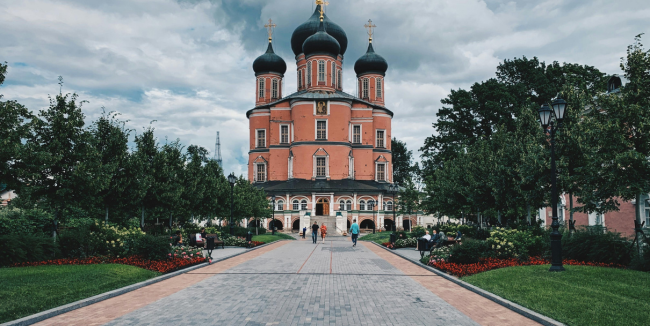
North Caucasian State Academy is located in Cherkessk, Russia and it is renowned for its quality education and modern infrastructure. It offers various medical programs such as MBBS to all international students (including Indian Students).
Siberian State Medical University is located in Tomsk, Russia. It is one of the leading medical universities. It provides high-quality medical education and research opportunities.
|
Established |
1878 |
|
Location |
Tomsk, Russia |
|
Eligibility for Admission |
12th Grade with 50% in PCB + NEET |
|
Medium of Teaching |
English/Russian |
|
Recognition |
WHO, NMC, Ministry of Health of Russia |
|
Course Duration |
6 years |
Kemerovo State Medical University is a prestigious medical institution in Kemerovo, Russia. It is known for its detailed curriculum and experienced teaching staff.
|
Established |
1955 |
|
Location |
Kemerovo, Russia |
|
Eligibility for Admission |
12th Grade with 50% in PCB + NEET |
|
Medium of Teaching |
English/Russian |
|
Recognition |
WHO, NMC, Ministry of Health of Russia |
|
Course Duration |
6 years |
Volgograd State Medical University is located in Volgograd, Russia. It is a well-established university known for its medical and research programs. It attracts a large number of international students every year.
|
Established |
1955 |
|
Location |
Kemerovo, Russia |
|
Eligibility for Admission |
12th Grade with 50% in PCB + NEET |
|
Medium of Teaching |
English/Russian |
|
Recognition |
WHO, NMC, Ministry of Health of Russia |
|
Course Duration |
6 years |
Pskov State Medical University is located in Pskov, Russia. It is known for its innovative teaching methods and a strong emphasis on practical training in the medical field.
|
Established |
1932 |
|
Location |
Pskov, Russia |
|
Eligibility for Admission |
12th Grade with 50% in PCB + NEET |
|
Medium of Teaching |
English/Russian |
|
Recognition |
WHO, NMC, Ministry of Health of Russia |
|
Course Duration |
6 years |
These tables provide a comprehensive overview of each university’s details and fee structure, helping prospective students make informed decisions about their medical education in Russia.
If you’re considering Studying MBBS in Russia, book a free counseling session with AR Group of Education. Our expert counselors will provide personalized advice and help you go through the admission process. This ensures a successful start to your medical career.
Read blog : top universities in russia for mbbs
The MBBS syllabus in Russia is a comprehensive six-year program that includes a wide range of subjects and practical training. Below is a syllabus which is, based on the information from various sources.
Read Blog : MBBS Seats In Russia
| Subjects | Examinations | Practical Training |
|---|---|---|
|
Physics |
Physics |
Physical Training |
|
Chemistry |
Chemistry |
Russian Language |
|
Medical Biology + Genetics + Parasitology |
Medical Biology, Genetics, Parasitology |
Physical Training |
|
Human Anatomy |
Human Anatomy |
Russian Language |
|
Histology + Embryology + Cytology |
Histology, Embryology, Cytology |
Physical Training |
|
Latin and Medical Terminology |
– |
– |
|
Physical Training |
– |
– |
|
Russian Language |
– |
– |
| Subjects | Examinations | Practical Training |
|---|---|---|
|
Normal Physiology |
Normal Physiology |
Physical Training |
|
Biochemistry |
Biochemistry |
Russian Language |
|
Economics |
Economics |
Physical Training |
|
Philosophy |
Philosophy |
Russian Language |
|
Sociology |
Sociology |
Physical Training |
|
Physical Training |
– |
– |
|
Russian Language |
– |
– |
| Subjects | Examinations | Practical Training |
|---|---|---|
|
Microbiology + Virology + Immunology |
Microbiology, Virology, Immunology |
Physical Training |
|
Pharmacology and Clinical Pharmacology |
Pharmacology and Clinical Pharmacology |
Russian Language |
|
Pathological Anatomy |
Pathological Anatomy |
Physical Training |
|
Pathological Physiology |
Pathological Physiology |
Russian Language |
|
Internal Diseases |
Internal Diseases |
Physical Training |
|
Surgery |
Surgery |
Russian Language |
|
General Hygiene |
General Hygiene |
Physical Training |
|
Physical Training |
– |
– |
|
Russian Language |
– |
– |
| Subjects | Examinations | Practical Training |
|---|---|---|
|
Internal Diseases |
Internal Diseases |
Nursing Practice (4 terms) |
|
Surgery |
Surgery |
Therapy – 2 Weeks, Surgery – 2 Weeks |
|
Obstetrics |
Obstetrics |
Obstetrics – 2 Weeks |
|
Ophthalmology |
Ophthalmology |
Therapy – 2 Weeks, Surgery – 2 Weeks |
|
Otorhinolaryngology |
Otorhinolaryngology |
Obstetrics – 2 Weeks |
|
Pediatrics + Infections of Children |
Pediatrics + Infections of Children |
Therapy – 2 Weeks, Surgery – 2 Weeks |
|
Radiodiagnostics and Radiotherapy |
– |
Obstetrics – 2 Weeks |
|
Public Health and Administration + Medical Informatics + Automated Management Systems in Public Health |
– |
Therapy – 2 Weeks, Surgery – 2 Weeks |
|
History of National and Foreign Medicine |
– |
Obstetrics – 2 Weeks |
|
Politics |
– |
Therapy – 2 Weeks, Surgery – 2 Weeks |
|
Dermatology and Venereology |
Dermatology and Venereology |
Obstetrics – 2 Weeks |
|
Neurology + Neurosurgery + Medical Genetics |
Neurology + Neurosurgery + Medical Genetics |
Therapy – 2 Weeks, Surgery – 2 Weeks |
| Subjects | Examinations | Practical Training |
|---|---|---|
|
Clinical Pathological Physiology |
Clinical Pathological Physiology |
Medical Practice (8 terms) |
|
Pediatrics + Infections of Children |
Pediatrics + Infections of Children |
Therapy – 2 Weeks, Surgery – 2 Weeks |
|
Pediatric Surgery |
Pediatric Surgery |
Obstetrics – 2 Weeks |
|
Topographical Anatomy and Operative Surgery |
Topographical Anatomy and Operative Surgery |
Therapy – 2 Weeks, Surgery – 2 Weeks |
|
Dermatology and Venereology |
Dermatology and Venereology |
Obstetrics – 2 Weeks |
|
Neurology + Neurosurgery + Medical Genetics |
Neurology + Neurosurgery + Medical Genetics |
Therapy – 2 Weeks, Surgery – 2 Weeks |
|
Medical Psychology + Psychiatry + Narcology |
Medical Psychology + Psychiatry + Narcology |
Obstetrics – 2 Weeks |
|
Oncology |
Oncology |
Therapy – 2 Weeks, Surgery – 2 Weeks |
|
Urology |
Urology |
Obstetrics – 2 Weeks |
|
Traumatology and Orthopedics |
Traumatology and Orthopedics |
Therapy – 2 Weeks, Surgery – 2 Weeks |
|
Stomatology |
Stomatology |
Obstetrics – 2 Weeks |
|
Infectious Diseases |
Infectious Diseases |
Therapy – 2 Weeks, Surgery – 2 Weeks |
|
Internal Diseases |
Internal Diseases |
Obstetrics – 2 Weeks |
|
Surgery |
Surgery |
Therapy – 2 Weeks, Surgery – 2 Weeks |
|
Gynecology |
Gynecology |
Obstetrics – 2 Weeks |
| Subjects | Examinations | Practical Training |
|---|---|---|
|
Internal Diseases |
Internal Diseases |
Medical Practice (10 terms) |
|
Surgery |
Surgery |
Therapy – 2 Weeks, Surgery – 2 Weeks |
|
Obstetrics + Gynecology |
Obstetrics + Gynecology |
Obstetrics – 2 Weeks |
|
Forensic Medicine |
Forensic Medicine |
Therapy – 2 Weeks, Surgery – 2 Weeks |
|
Infectious Diseases + Tropical Diseases + Epidemiology |
Infectious Diseases + Tropical Diseases + Epidemiology |
Obstetrics – 2 Weeks |
|
Medical Law |
Medical Law |
Obstetrics – 2 Weeks |
|
General Care of Patients |
– |
General Care of Patients |
|
Propedeutics of Internal Diseases |
– |
General Care of Patients |
|
Occupational Diseases |
– |
General Care of Patients |
|
Endocrinology |
– |
General Care of Patients |
|
Phtysiopumonology (Tuberculosis) |
– |
General Care of Patients |
|
Out-patients Therapy |
– |
General Care of Patients |
|
Internal Diseases, Physiotherapy |
– |
General Care of Patients |
|
General Surgery, Anesthesiology |
– |
General Care of Patients |
|
Resuscitation and Intensive Therapy |
– |
General Care of Patients |
|
Tomographic Anatomy and Operative Surgery |
– |
General Care of Patients |
|
Surgery |
– |
General Care of Patients |
|
Urology |
– |
General Care of Patients |
|
Traumatology and Orthopedics |
– |
General Care of Patients |
|
Oncology |
– |
General Care of Patients |
|
Stomatology |
– |
General Care of Patients |
|
Pediatrics Surgery |
– |
General Care of Patients |
The MBBS Fees in Russia for Indian students are quite reasonable, MBBS tuition fees at Russian medical universities range from 200,000 to 500,000 Russian Rubles (2 lakh to 5 lakh Indian Rupees) per year.
Below we shared the list of Russian universities fee structure.
| Name of the Universities | Tuition Fees in (RUB) | Hostel Fees in (RUB) |
|---|---|---|
|
3,23,600 RUB |
20,000 RUB |
|
|
4,90,080RUB |
28,000 RUB
|
|
|
4,02,340 RUB |
32,845 RUB |
|
|
3,15,000 RUB |
34,120RUB |
|
|
3,22,400 RUB |
70,000 RUB |
|
|
2,45,500 RUB |
15,000 RUB |
|
|
5,40,000RUB |
14,000 RUB |
|
|
4,75,000 RUB |
20,000 RUB |
|
|
2,40,000 RUB |
12,000 RUB |
|
|
4,50,203 RUB |
57,302 RUB |
|
|
3,65,500 RUB |
36,000 RUB |
|
|
4,40,000 RUB |
36,000 RUB |
|
|
3,15,850 RUB |
60,000 RUB |
|
|
4,51,060 RUB |
24,604 RUB
|
|
|
6,98,000 RUB |
1,20,000 RUB |
|
|
8,40,000 RUB |
90,800 RUB |
|
|
2,65,000 RUB |
25,000 RUB |
|
|
4,55,000 RUB |
35,000 RUB |
|
|
5,00,000 RUB |
28,000 RUB |
|
|
3,75,000 RUB |
15,000 RUB |
|
|
3,64,000 RUB |
35,000 RUB |
|
|
2,18,000 RUB |
70,000 RUB |
Note: AR Group of Education would like to remind you that fees shown in Indian Rupees may not be the exact amount and may differ from the actual price. University reserves all the rights to change the fees anytime without any prior personal intimation to the students.
The cost of living in Russia is relatively low compared to Western countries. On average, students can expect to spend USD 150 to USD 300 per month on living expenses, including accommodation, food, transportation, and personal expenses.
| Criteria | MBBS in Russia | MBBS in India |
|---|---|---|
|
Duration |
6 years (including 1 year of internship) |
5.5 years (including 1 year of internship) |
|
Language |
English, Russian |
English |
|
Eligibility |
10+2 with PCB (Physics, Chemistry, Biology) and minimum 50% marks; in a few countries, NEET is not mandatory but recommended for Indian students. |
10+2 with PCB and minimum 50% marks; NEET mandatory for Indian students |
|
Cost |
Relatively lower tuition fees (approx. ₹2-3 lakhs per year) and living costs |
Higher tuition fees (approx. ₹5-10 lakhs per year for private colleges) and living costs |
|
Recognition |
Recognized by WHO, NMC, and other international bodies; valid for FMGE (Foreign Medical Graduate Examination) in India |
Recognized by NMC and WHO. |
|
Infrastructure |
Well-equipped hospitals and modern facilities; exposure to advanced medical technology |
Varied infrastructure; some colleges have excellent facilities, while others may lack modern equipment. |
|
Clinical Exposure |
Early clinical exposure from the 3rd year; diverse patient pool |
Clinical exposure from the 3rd year; patient pool varies by institution |
|
Cultural Adaptation |
May require adaptation to Russian culture and language; support for international students |
Easier cultural adaptation for Indian students; support systems in place |
|
Scholarships |
Limited scholarships available; mostly self-financed |
Various scholarships available; government and private scholarships |
|
Visa Requirements |
Visa required for international students; assistance provided by universities |
No visa requirements for Indian students |
|
Post-Graduation Opportunities |
Opportunities for post graduation in Russia and other countries may require additional exams. |
Opportunities for post-graduation in India and abroad; PG entrance exams like NEET-PG required |
|
Costs of Living |
Lower living costs compared to many Western countries; affordable accommodation |
Varies by location; urban areas tend to have higher living costs. |
|
Weather and Climate |
Harsh winters, especially in northern regions; adaptation required |
Varied climate across different regions; generally more temperate |
Students, if you wish to pursue an MBBS degree in Russia, there are many advantages, such as pocket-friendly tuition fees, well-equipped infrastructure, and modern facilities. In comparison to MBBS in India, it provides cultural diversity. Russian universities provide world-recognized medical degrees.
| Criteria | MBBS in Russia | MBBS Abroad (Georgia, Nepal, Bangladesh, Uzbekistan, Kyrgyzstan) |
|---|---|---|
|
Cost |
Tuition Fees: $2,500 to $6,000 per year. |
– Tuition Fees: Varies widely depending on the country and institution. For example, in the U.S., it can range from $50,000 to $60,000 per year. |
|
Living Costs |
– Living Costs: Relatively low, approximately $2,000 to $3,000 per year. |
– Living Costs: Can be high, especially in Western countries; cost between $10,000 to $20,000 per year. |
|
Duration |
– Typically 6 years including 1 year of internship. |
– Typically 5.5 to 6 years depending on the country and institution. |
|
Language |
– Russian language proficiency required for most programs, although some universities offer English-medium courses. |
– English is commonly used in many countries, but proficiency in the local language may be beneficial. |
|
Recognition |
– Recognized by NMC (National Medical Commission) and WHO (World Health Organization), |
– Recognition by WHO, NMC, FAIMER, etc. |
|
Admission Requirements |
-Only NEET exam required |
– Entrance exams such as NEET or many other country-level entrance exams are required, like MCAT. |
|
Clinical Exposure |
– Early clinical exposure starting from the 3rd year of study. |
– Clinical exposure varies, but generally starts in the later years of study. |
|
Infrastructure and Facilities |
– Well-equipped hospitals, standard infrastructure with modern amenities |
– State-of-the-art facilities in many countries, but can vary significantly. |
|
Cultural and Social Aspects |
– Cultural adaptation may be challenging due to language barriers and different customs. |
– Cultural adaptation can also be challenging, but English-speaking environments may ease the transition. |
|
Scholarships and Financial Aid |
– Limited scholarships available, mostly for international students. |
– Various scholarships and financial aid options available, depending on the country and institution. Scholarships are available on a merit basis. |
|
Post-Graduation Opportunities |
– Opportunities for PG (Post-Graduation) in Russia or other countries, but may require additional qualifications. |
– PG opportunities available in the country of study or other countries, often with better recognition. |
Studying MBBS in Russia offers several advantages for Indian students, which can be summarised as follows:
Studying MBBS in Russia can be a viable option for Indian students due to its affordability, quality education, and global recognition. However, there are several disadvantages that students should be aware of before making a decision. Here are the key disadvantages of studying MBBS in Russia for Indian students:
Russia is known for its extreme and cold climate, which can be challenging for Indian students. The temperatures in many parts of Russia remain below zero degrees Celsius for about three to four months, which can be particularly difficult for students from warmer regions of India. This climate can pose health issues and require significant acclimatisation.
The official language of Russia is Russian, and not everyone speaks English. This language barrier can be a significant challenge for Indian students who are not proficient in Russian. While some universities offer courses in English, many others teach in Russian, necessitating students to learn the language to interact with locals and succeed in their studies.
Indian students may find it difficult to adjust to the local food and accommodation in Russia. While some universities offer Indian food facilities, these may not always be available or of good quality. Additionally, renting an apartment can involve risks and security issues. University-governed hostels can provide a safer and more comfortable living environment, but the quality of these facilities can vary.
Russia offers a vibrant nightlife, which can be tempting but also distracting for students. The cultural differences and nightlife can lead to addictions and negatively impact students’ health and academic performance. Choosing university-provided accommodation with strict monitoring can help mitigate these risks.
After completing MBBS in Russia, Indian students must pass the FMGE (Foreign Medical Graduate Examination) to practise medicine in India. This additional examination can be a significant hurdle and adds to the overall duration and cost of becoming a practising doctor in India
Although the degree from Russian universities is recognized by the National Medical Commission (NMC) in India, there is still a need to pass the FMGE, which can be a source of anxiety for students.
Russian medical universities offer a variety of courses including:
| Course Name | Duration of Courses |
|---|---|
|
General Medicine (MBBS) |
6 years |
|
Dentistry |
5 years |
|
Pharmacy |
4 years |
|
Nursing |
4 years |
|
Pediatrics |
3 years |
|
Preventive Medicine |
2 years |
Answer: No, it is not possible to study MBBS in Russia without clearing the NEET exam. NEET is mandatory for Indian students seeking admission to MBBS programs in Russia a minimum NEET score of 137 is required.
Answer: No, Russian MBBS degrees are not valid for practicing medicine in India. Graduates must clear the Foreign Medical Graduate Examination (FMGE) screening test conducted by the National Board of Examinations (NBE) to be eligible for medical practice in India.
Answer: Yes, MBBS degrees from Russia are globally recognized and accepted by major medical bodies like the World Health Organization (WHO). However, they are not valid for practicing in India without clearing additional tests.
Answer: MBBS is cheaper in Russia due to lower tuition fees, government subsidies for education, and a lower cost of living compared to Western countries. This makes it an attractive option for international students.
Answer: A minimum NEET score of 137 (50th percentile) is required for general category students to pursue MBBS in Russia. For SC/ST/OBC categories, the minimum requirement is 40th percentile or 110 marks.
Answer: MBBS programs in Russia are conducted in English, making it accessible for Indian students. However, learning Russian is encouraged to effectively communicate with patients during clinical training.
Answer: No, Russia is considered an affordable destination for Indian students to study MBBS. The tuition fees range from ₹2.6 to ₹7 lakhs per year, and the total cost, including living expenses, is around ₹30-40 lakhs for the entire 6-year program.
Answer: Yes, Russia is an excellent choice for MBBS education. It offers high-quality medical education, globally recognized degrees, and affordable fees compared to other countries. Russian universities are ranked among the world’s top 200-500 for MBBS.
Answer: Yes, Russia is generally safe for Indian students. They should remain aware of their surroundings, avoid isolated areas, and respect local customs. Universities provide secure hostels and support services to ensure student safety.
Answer: No, Russian MBBS degrees are not directly valid in India. Graduates must pass the Foreign Medical Graduate Examination (FMGE) to practice medicine in India.
Answer: Yes, studying MBBS in Russia is worth it due to high-quality education, affordable tuition fees, and globally recognized degrees. Many Indian students choose Russia for MBBS because of these advantages.
Answer: Disadvantages include cultural adjustment, language barriers, and potential recognition issues for degrees in home countries. Additionally, students may face challenges in adapting to different educational systems.
Answer: Disadvantages include weather conditions, cultural differences, and the need to pass the FMGE for practicing in India. Some students may also struggle with the Russian language in daily life.
Answer: The living cost in Russia ranges from ₹15,000 to ₹25,000 per month, depending on the city and lifestyle. This includes accommodation, food, transportation, and other expenses.
Answer: The average salary of a doctor in Russia is around ₹60,000 to ₹1,20,000 per month, depending on specialization, experience, and location.
Answer: Countries like Ukraine and the Philippines offer MBBS programs without requiring NEET scores, making them accessible to Indian students.
Answer: Countries like Russia, Ukraine, and the Philippines are among the cheapest options for MBBS, with lower tuition fees compared to India and Western countries.
Answer: Countries like Russia, Nepal, and Georgia are recognized as safe for studying MBBS, providing supportive environments for international students.
Russia offers a vibrant cultural and social life. Students can participate in various cultural events, festivals, and student organizations, enhancing their overall experience. Exploring the country’s rich history, architecture, and natural beauty adds to the allure of studying in Russia.
You can also check if you have interest in studying abroad : MBBS in Nepal, MBBS in Bangladesh, MBBS in Uzbekistan, MBBS in Kazakhstan, MBBS in Serbia, MBBS in Iran, MBBS in Bosnia, MBBS in Egypt, MBBS in Vietnam, MBBS in Kyrgyzstan, MBBS in Philippines, MBBS in Georgia, MBBS in China, MBBS in Russia, MBBS in Romania
AR Group of Education is dedicated to helping you achieve your dream of pursuing an MBBS course in Russia. Our services include:
Get on this successful journey to become a successful medical professional with the support of AR Group of Education. Book your free counseling session today and take the first step towards a promising future in medicine. For more details you can check our trusted education portal A R Group Of Education.
Are you ready to pursue your dream of becoming a skilled and compassionate medical professional? Look no further than MBBS in Russia, where world-class education meets cultural diversity.
Speak with our admission counsellors for personalised guidance on fees, eligibility, and seat booking.
Answer: The cost of studying MBBS in Russia ranges between 14 lakhs to 30 lakhs per year, depending on the university. In addition to tuition fees, students should budget approximately USD 150 to USD 300 per month for living expenses, including accommodation, food, and transportation. This makes Russia an affordable option for high-quality medical education.
Answer: Yes, an MBBS degree from Russia is valid in India. Graduates must pass the Foreign Medical Graduates Examination (FMGE) conducted by the National Board of Examinations (NBE) to practice medicine in India. Russian medical universities are recognized by the National Medical Commission (NMC), ensuring the validity of the degree.
Answer: For medical students, Russia offers a number of advantages, the primary one being affordability. In Russia, you can finish your MBBS for as little as 2.6-7L in yearly tuition. When compared to other study destinations, Russia does not require any entrance exam, which is another reason why students choose it for their MBBS.
Answer: Russian medical universities provide a MBBS program in English language. So, Indian students don’t need to learn any other language.
View full details